
Dry Needling: What to Expect at Your First Visit
If your therapist has suggested dry needling, or a friend has mentioned it, you probably have questions. What does it feel like? Is it the same as acupuncture? Will it hurt? This guide walks through what usually happens before, during, and after a first dry needling session at Black Rock Physical Therapy in Grantsville, so you can walk in knowing what to expect.
Dry needling is not the right fit for everyone. Talk to your therapist about whether it is appropriate for you.
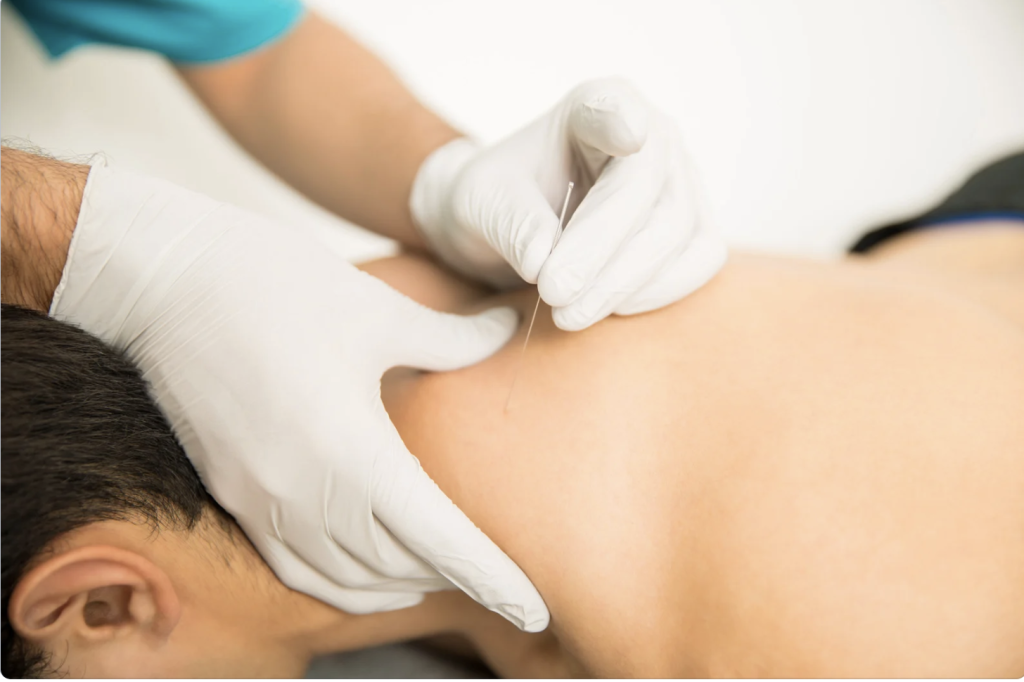
What Is Dry Needling?
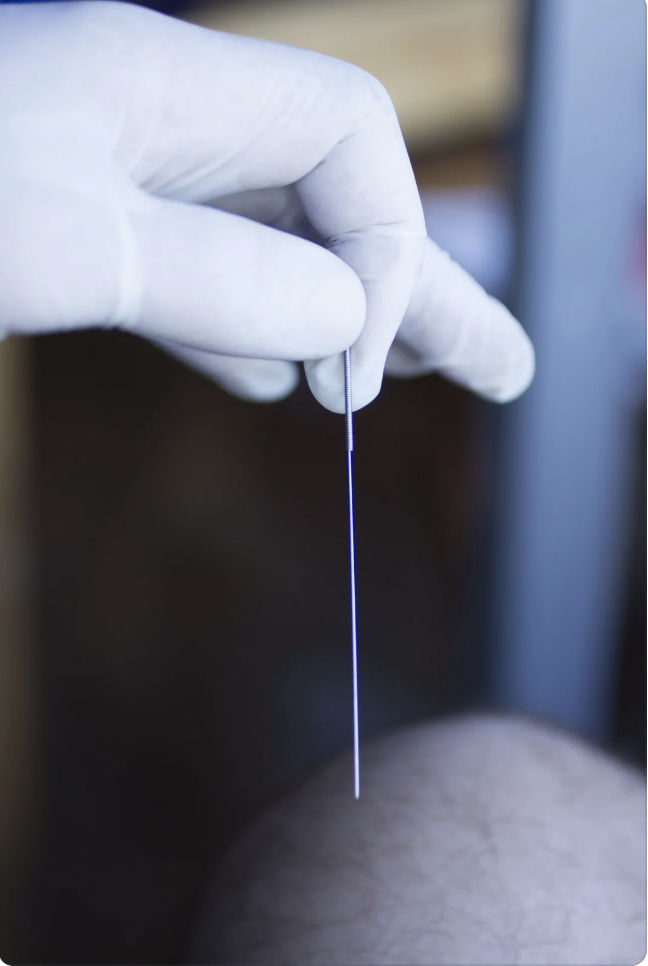
Dry needling is a technique physical therapists use to address tight, tender areas in muscle, often called trigger points. A very thin, solid needle is placed into the muscle tissue. Nothing is injected, which is where the word "dry" comes from.
At our clinic, dry needling is usually one piece of a broader plan that can also include hands-on manual therapy, exercise, and education about how to move. You can read more about how we use it on our dry needling service page.
Dry Needling vs. Acupuncture
Both use thin filament needles, so it is easy to see why they get compared. The difference is the reasoning behind where and why the needles are placed.
- Dry needling is based on Western anatomy and a physical assessment of how your muscles, joints, and movement are behaving.
- Acupuncture comes from traditional Chinese medicine and follows a different framework, including meridians and the flow of energy.
- Who provides it: dry needling is performed by licensed providers with specific training. Acupuncture is performed by licensed acupuncturists.
Who Performs Dry Needling at Black Rock PT?
Dry needling at our clinic is performed by therapists who have completed dry needling certification:
- R. Brian Cragun, PT, DPT, Cert.DN, Clinic Director
- John Elmer, PT, DPT, Cert.DN
- Tim Farra, certified in dry needling for the upper and lower body
Because every certified therapist on our team also evaluates movement and strength, dry needling is always matched to what your assessment shows rather than used on its own. Learn more about our therapists and their training on our About page.
Before Your Appointment
- Dress for access. Loose clothing that makes it easy to reach the area, like shorts for the legs or a tank top for the neck and shoulders.
- Eat something light. Some people feel lightheaded with needles on an empty stomach.
- Drink water before and after your visit.
- Share your health history. Tell your therapist if you are pregnant, take blood thinners or have a bleeding disorder, have a pacemaker or implanted device, had recent surgery, have a weakened immune system, a skin infection near the area, a metal allergy, or feel anxious about needles.
You can ask questions at any time, and you can always decide not to go ahead.
What Happens During the Session
Here is the usual flow of a first visit. Your therapist may adjust the order based on what they find, and you are welcome to pause or ask a question at any step along the way.
Assessment First
Your therapist checks movement, strength, and tender areas to decide whether dry needling makes sense for you and where.
Explanation and Consent
You hear which muscles they plan to treat and what you might feel. You agree before anything begins.
Skin Prep
The area is cleaned. Needles are sterile, single-use, and disposed of right after treatment.
Needle Placement
A thin needle goes into the target muscle. Some are moved gently for a few seconds, others rest in place briefly.
Movement Afterward
Most sessions continue with stretching, manual therapy, or exercise. The needling is often a small part of the visit.
Does Dry Needling Hurt?
This is the question we hear most. Many people barely notice the needle going in, because it is much thinner than the needle used for a shot. Once it reaches the muscle, you may feel:
- A deep ache or pressure
- A quick muscle twitch, which can feel like a brief cramp
- A familiar sensation, as if the area that has been bothering you is being touched directly
Everyone experiences it a little differently. Tell your therapist what you feel at any point, and they can adjust the approach or stop.
Depending on your goals, dry needling may be used alongside other care in our headache and neck pain program or our sports medicine services, when your therapist feels it is a good fit.
After Your Session
It is common to notice:
- Muscle soreness for a day or two, similar to the feeling after a workout
- A small bruise where a needle was placed
- Feeling a bit tired for the rest of the day
Your therapist may suggest gentle movement, drinking water, following your home exercise program, and heat or ice as directed. Call the clinic at (435) 884-0324 if anything concerns you, and seek medical care right away for anything unusual such as chest pain or trouble breathing.
At your next visit, let your therapist know how you felt in the days after treatment. That feedback helps them decide whether to repeat dry needling, change the approach, or focus on other parts of your plan.
How Many Sessions Will I Need?
There is no single answer. It depends on why you came in, how your body responds, and the rest of your treatment plan. Your therapist will check in on how you are doing and talk with you about whether to continue.
Is Dry Needling Right for You?
Dry needling can be a useful tool, but it is not right for every person or every condition. The best way to find out is an evaluation, where your therapist can look at the full picture. If you have been searching for dry needling near me in Tooele County, our Grantsville clinic is close by. Talk to your therapist about whether it is appropriate for you.
Questions About Dry Needling?
Our certified therapists are happy to talk it through and help you decide whether it fits your plan.
Request an Appointment