
Returning to Sports After an Injury: Physical Therapy in Grantsville, UT
Getting hurt is hard. Sitting on the sidelines while your team, your running group, or your ski buddies keep going can be even harder. Whether you sprained an ankle on the court, strained a hamstring on the track, or are coming back from knee surgery, the big question is the same: when can I safely get back to my sport?
At Black Rock Physical Therapy, we help athletes and active patients across Grantsville and Tooele County answer that question with testing, not guesswork. Our physical therapy team builds a step-by-step plan that takes you from injured to game ready, with one goal in mind: getting you back to the activities you love without getting hurt again.
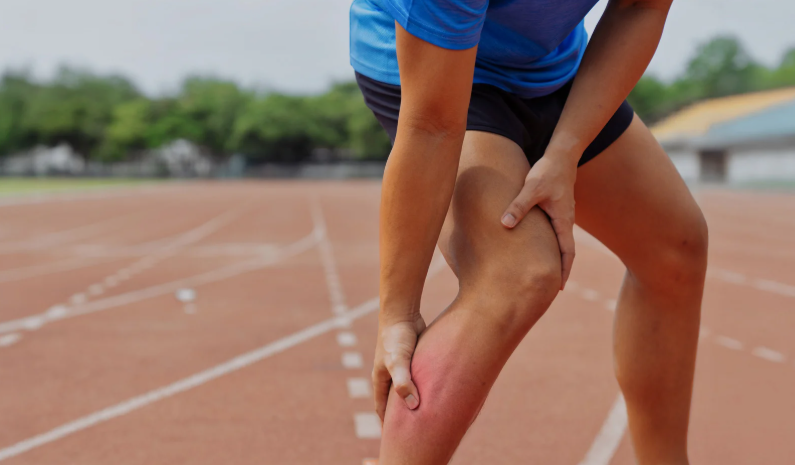
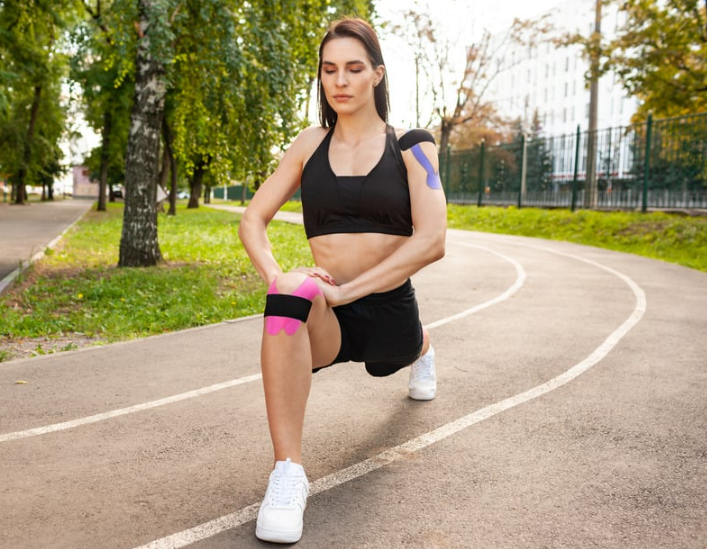
What Recovery Looks Like Before You Return to Sport
Every injury heals on its own timeline, but most return to sport plans move through the same general phases. Knowing what each phase looks like helps you stay patient and avoid rushing back too soon.
- Calm things down: Protect the injured area, manage pain and swelling, and keep the rest of your body moving.
- Restore motion: Get back full, comfortable range of motion in the joint or muscle that was hurt.
- Rebuild strength: Progressive strengthening until the injured side is close to the healthy side.
- Train power and control: Add jumping, landing, cutting, and sport-speed movements in a controlled setting.
- Return to practice, then competition: Ease back into your sport in stages before going all out.
What to Expect at Your First Visit
Your first visit is a one-on-one evaluation with a licensed physical therapist. We want to understand your injury, your sport, and your goals, including any upcoming season or event you are training for.
Your evaluation may include:
- A conversation about how the injury happened and what movements still bother you
- Range of motion and strength testing, comparing your injured side to your healthy side
- Balance, landing, and single leg control testing
- A look at sport-specific movements like running, cutting, or squatting
- A clear explanation of where you are in your recovery and your personalized plan
You will leave your first visit knowing what phase of recovery you are in and what it will take to get back on the field, court, slopes, or trail.
How Physical Therapy Gets You Back in the Game Without Reinjury
The most common reason athletes get hurt again is going back before the body is truly ready. Our sports medicine approach focuses on closing that gap. Depending on your injury and sport, your return to sport plan may include:
- Progressive strength training for the injured area and the muscles that support it
- Balance, agility, and plyometric drills to retrain quick, controlled movement
- Running progressions and sport-specific drills that build up to full speed
- Hands-on manual therapy to restore mobility
- Dry needling to ease muscle tightness and trigger points when appropriate
- Taping and bracing guidance for practice and games
- A home exercise program to keep you progressing between visits
Why Pain-Free Is Not the Same as Ready
Many athletes feel fine walking around long before the injured area can handle the demands of their sport. Pain usually fades before strength, power, and reaction time fully come back. That is why reinjury rates are higher when athletes return based on how they feel alone.
Instead of guessing, we use objective measures like strength comparisons, hop tests, and movement quality checks to track your progress. When the numbers and your confidence line up, you are much more likely to stay healthy once you are back.
Getting Ready for Winter Sports Season
Skiing, snowboarding, basketball, and wrestling all put heavy demands on the knees, ankles, hips, and shoulders. If you are still recovering from a fall or summer injury, now is the time to make sure you are ready before the season starts. A few weeks of focused strength, balance, and landing work can make a big difference in how you feel on the mountain or the court.
Returning to Sport After Surgery
If you had an ACL reconstruction, meniscus repair, shoulder stabilization, or another procedure, your return to sport follows a longer, more structured path. We work alongside your surgeon’s protocol and guide you through each stage of pre and post surgery rehab, from the first weeks after surgery all the way back to full competition.
Signs You Are Ready to Return to Your Sport
Your physical therapist will help you decide when it is time, but these are a few good signs you are on the right track:
- You have full, pain-free range of motion
- Your injured side is close to your healthy side in strength testing
- You can run, jump, land, and change direction without pain or hesitation
- Swelling does not return after harder training days
- You feel confident, not nervous, about using the injured area
If you are still having pain, swelling, giving way, or a lack of confidence weeks after an injury, it is a good time to schedule an evaluation. Learn more about the sports injuries we treat.
Why Athletes Choose Black Rock Physical Therapy in Grantsville
Athletes and active patients throughout Grantsville, Tooele, Stansbury Park, Lake Point, Erda, and Stockton choose Black Rock Physical Therapy because we provide:
- One-on-one care with experienced physical therapists
- Individualized return to sport plans built around your sport and goals
- Evidence-based rehabilitation and objective progress testing
- Care for athletes of all ages, from youth sports to weekend warriors
- A local clinic close to home
Schedule Your Return to Sport Evaluation Today
Don’t let an old injury keep you on the sidelines this season. Our team at Black Rock Physical Therapy will help you understand where you are in your recovery and build a clear plan to get you back to your sport safely. Call (435) 884-0324 or request an appointment online today.